

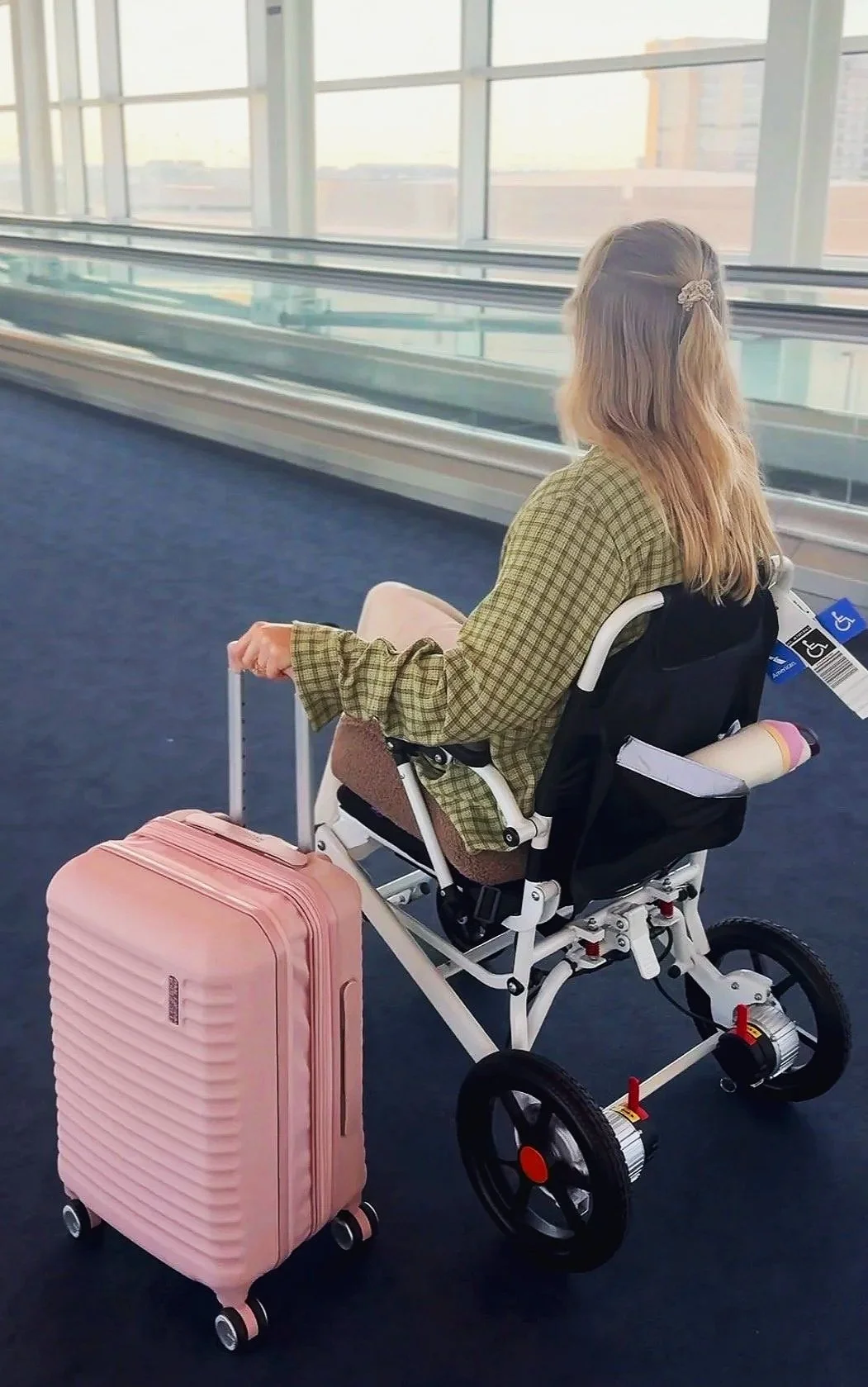
One thing I love doing, even if FA has changed how I do it,
is traveling.
I’ve always enjoyed it, but it looks a bit different since becoming disabled. I finally feel like I’m in a place where I feel comfortable flying with my own power chair and navigating the airport.
I also find that I opt for hotel stays instead of Airbnbs. I still love a unique hidden gem of an Airbnb, but the convenience, accessibility, and amenities that hotels provide is more appealing to me now.
Even road trips require more planning. Finding an accessible public bathroom when on the road can be a challenge.
Before I was diagnosed with FA, I went on a trip to France that was life-changing, in both positive and negative ways. Almost 10 years later, I’m gearing up for my honeymoon in Spain. I’m beyond excited for this trip, but also nervous because it’s the biggest trip I’ve taken so far since becoming a wheelchair user. Here’s how I’m preparing for the trip of a lifetime!
Traveling before FA
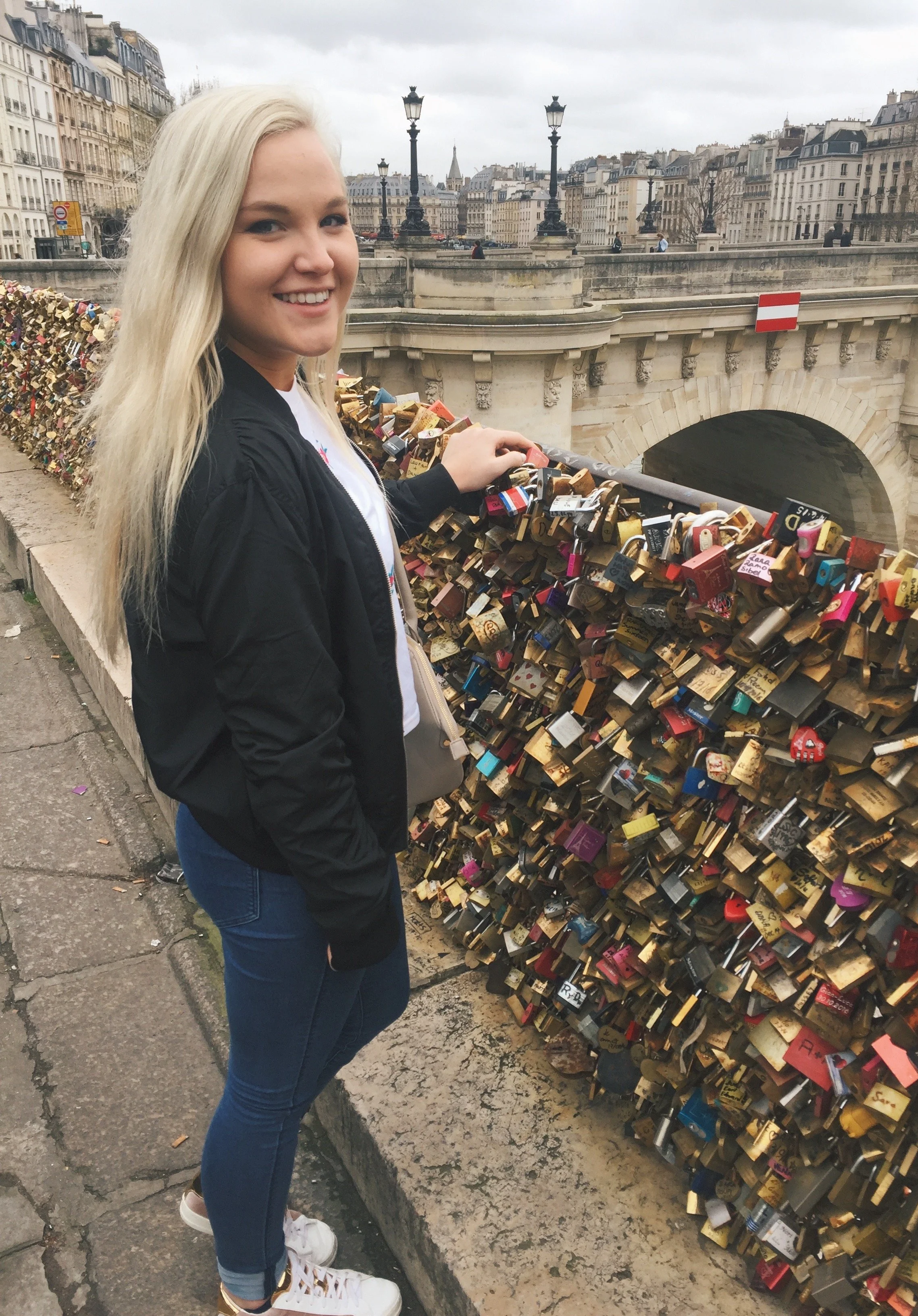
In March of 2017, I traveled to Paris, France to visit my best friend who was studying abroad. I had an amazing time, as it was my first time traveling overseas. I made fantastic memories and I had so many experiences that were completely new to 19-year-old me.
It was also an extremely challenging time for me, because I was experiencing symptoms of FA (poor balance/coordination and fatigue), but I wasn’t diagnosed until two years later.
There are lots of stairs, cobblestones, and obstacles in Paris. I remember being way behind everywhere we went and feeling very unsteady on stairs. I also got pretty sick during this trip; probably a combination of traveling, jet lag, and pushing my body way too much. When I got back to the states, the doctor told me I had pneumonia. Looking back, my body was telling me something was wrong the whole time, but I tried to ignore it. When I got my FA diagnosis, all of the challenges I faced on that trip finally made sense to me.


It’s been almost a decade since that trip. Since then, I graduated college, got diagnosed with Friedreich’s Ataxia, got married, and now I’m returning to Europe for my honeymoon for the first time since. Back then, I was able-bodied. Today, I am a full-time wheelchair user. The 19-year-old version of me would be floored.
Why we chose Spain
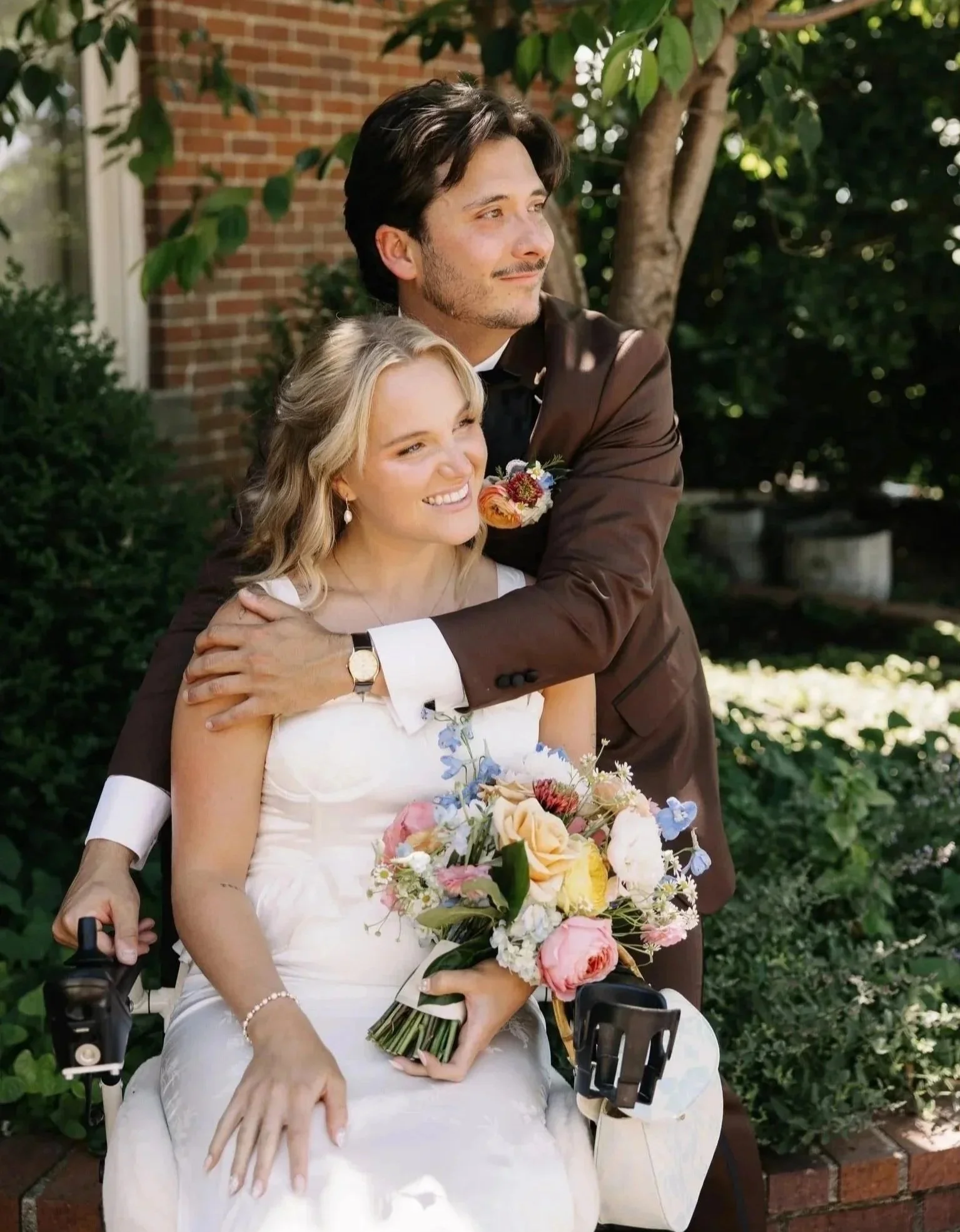
I spent so much time researching European destinations with the best accessibility. Both my husband and I loved the idea of going to Europe for our honeymoon, but I knew accessibility would be a challenge. Greece or Italy are bucket-list destinations for sure, but they both have lots of steps, hills, cobblestone streets, all barriers for someone like me. I didn’t want to spend my honeymoon navigating those types of hurdles too much.
I eventually discovered that Barcelona, Spain was noted as one of the most accessible places to visit in Europe. It’s much flatter and paved. Barcelona seemed like such a huge city and more tourist-y, so we opted for a smaller city in Spain called Seville for a more authentic experience. It’s very walkable and accessible, or so it seems.
How we’re structuring our trip to accommodate my disability
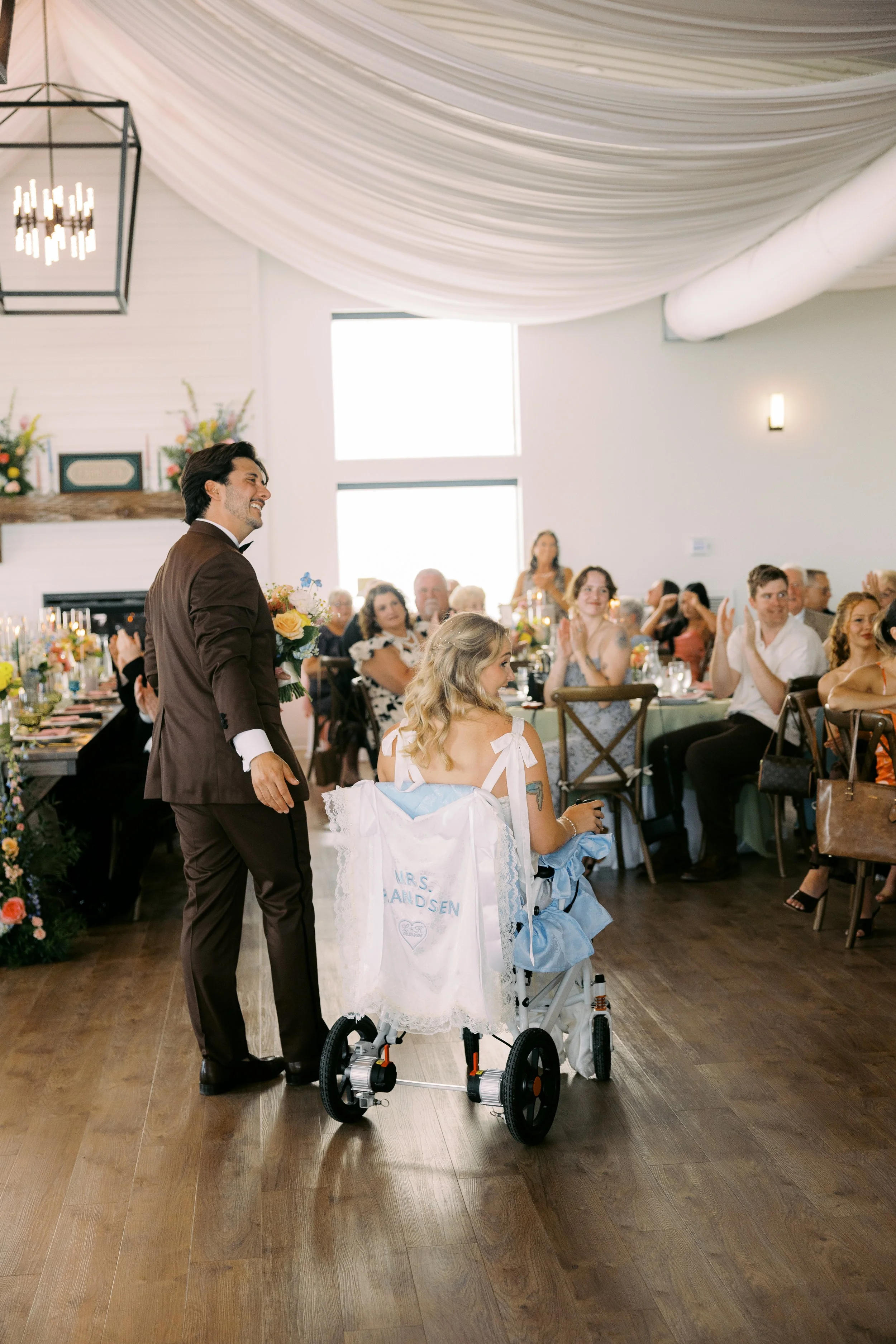
The first half of the trip will be spent in Seville. We’ll spend our time sight-seeing, exploring the city, and immersing ourselves in the culture. When planning the trip, I knew that a full week of city-hopping would be too much for me, and I don’t want to feel overwhelmed or rushed.
That’s why we’re going to the tropical island of Mallorca for the second half of the trip.
It’s only a 1.5 hour flight, and we’re staying at a resort. The resort is right next to a town, so we can choose to explore more or relax at the resort, whatever we need to do. This way, we get to experience city life at first and then relax during the second half of the trip.
What I’m excited for
the food!!! Tapas, orange wine, churros, gelato, coffee, paella…my husband and I are HUGE foodies, so we both can’t wait to eat.
the landscape, art, and architecture - as a creative person, I’m a sucker for beautiful buildings and stunning views. Spain has tons of it!
the culture - Spanish culture is much more laid-back than American culture, and as a person with a disability, I so appreciate the slow-living that is standard in Spain. Siesta from 2–5pm? Count me in.
unplugging - I am planning to stay off social media and emails for the whole trip. It will be so refreshing to be fully present and immersed in the trip with my husband!
What I’m nervous about
the long flight - it’ll be the longest flight I’ve ever taken. I am trying to ensure I get a good amount of sleep and am able to navigate to the bathroom safely. Flying overseas is difficult for everyone, but having FA definitely makes it more challenging.
the time change - I really hope the jet lag won’t be too harsh for me. I know I’ll need extra time to rest once we arrive, but I hope that rest won’t eat up too much of our trip.
problems with my wheelchair - I’ve flown with my power chair several times before, but I can’t help but get anxious about if something goes wrong. What if it breaks? What if the battery charger doesn’t work? Will I be able to navigate once I’m there? What if our accessible hotel room is unavailable?
getting sick again - I’ve gotten sick plenty of times during trips. I have learned to care for my body better to help prevent it, but it’s always a possibility.
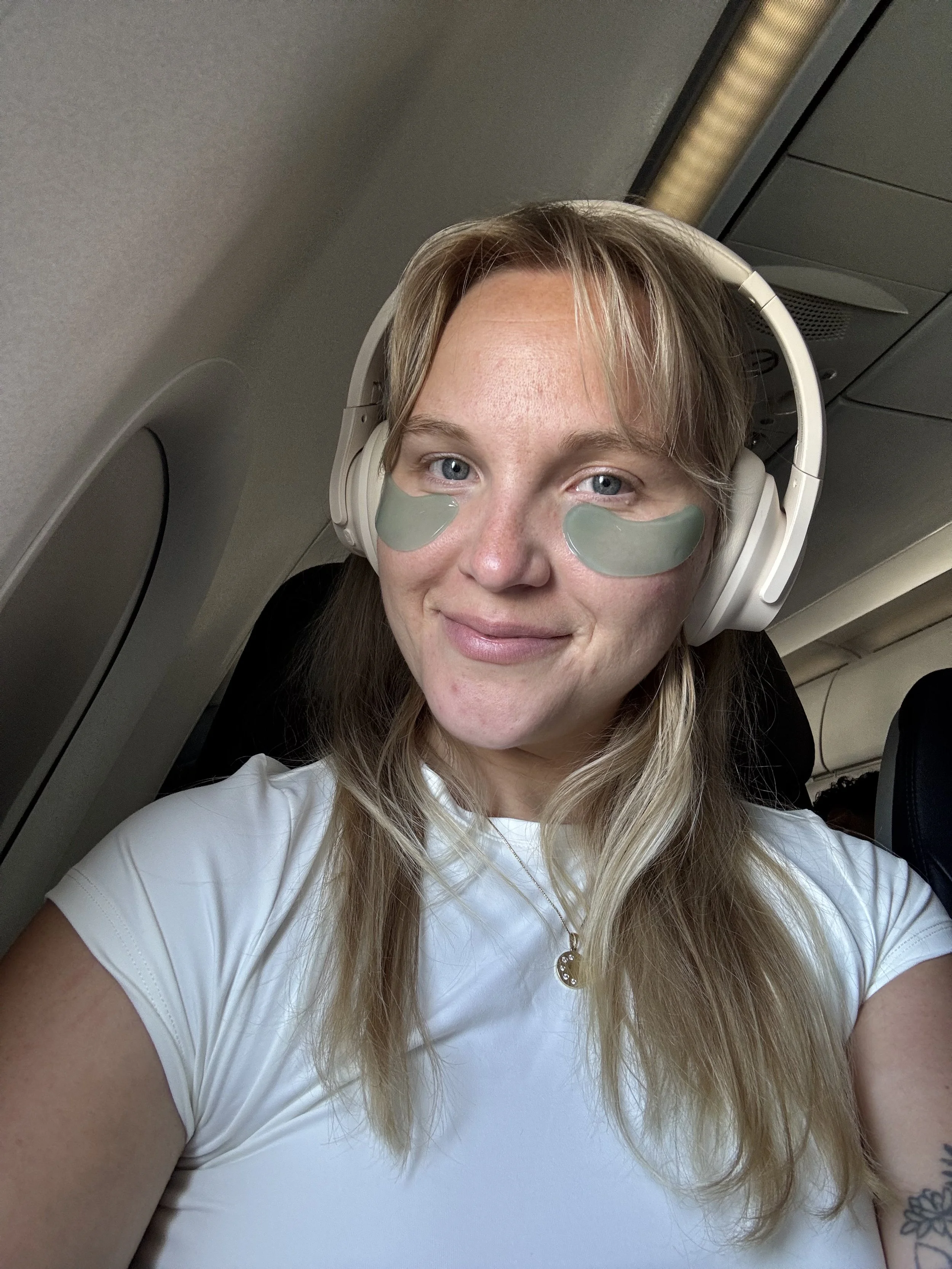
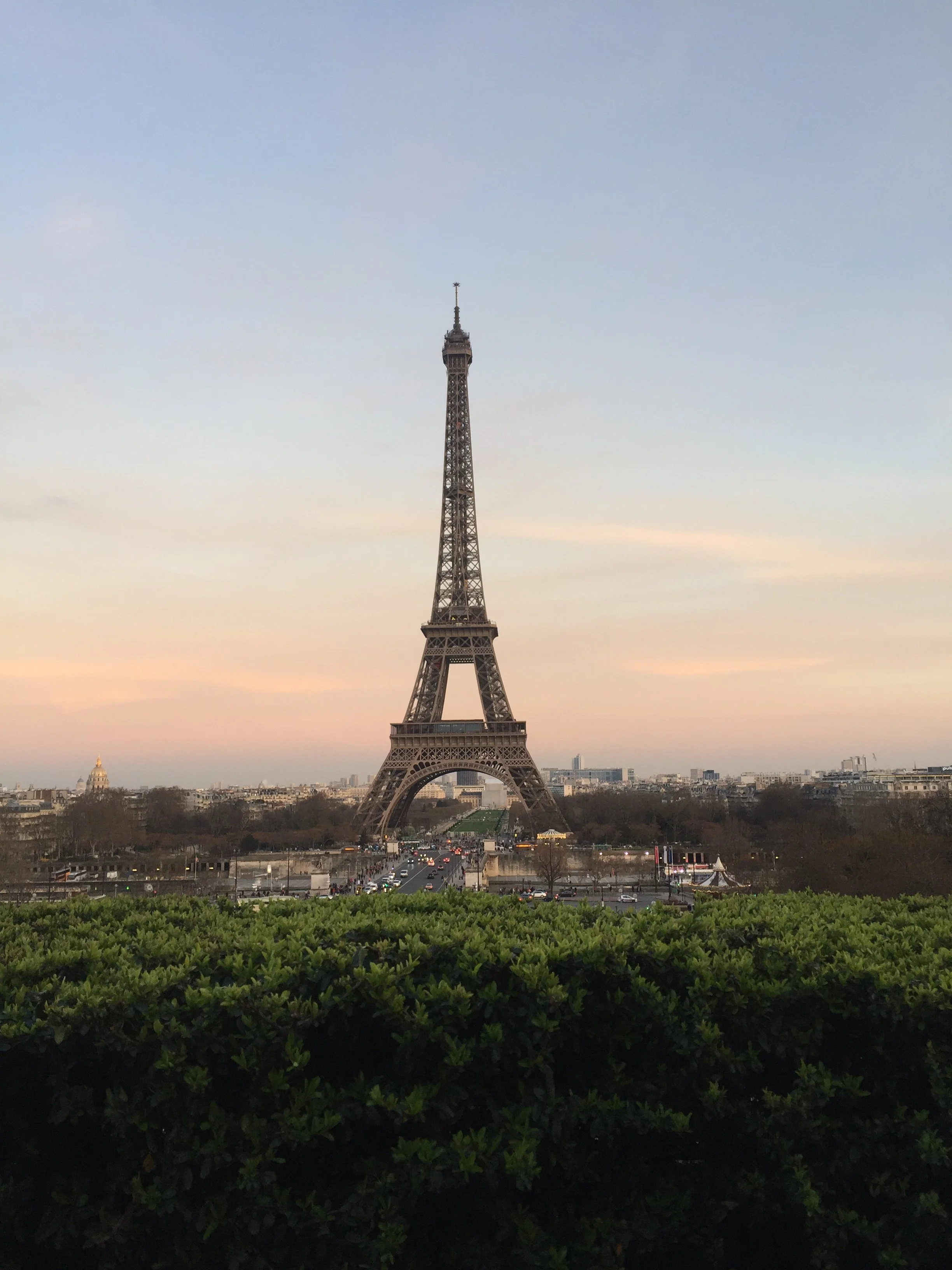

From my trip to Paris in 2017 to now, life has changed so much. FA brings challenges I never would’ve imagined, but I am also beyond grateful I can still take a trip like this. No matter what happens, my husband and I are going to have a wonderful time on our honeymoon!
Living with Friedreich’s Ataxia, I have always found it really helpful to see how other people navigate the challenges that I have also faced. That’s why I’m so excited to be a part of the PatientsLikeMe community! If you are a member of the FA community, I recommend checking it out.
If you join, let me know! I would love to connect with you there.
