
A common buzz word during the month of November is gratitude. We’re reminded to be grateful for our life's blessings, be thankful for our family, our friends, our circumstances. Gratitude is important to acknowledge all year round, yes, but there’s such a push to really sit with it during this time of year.
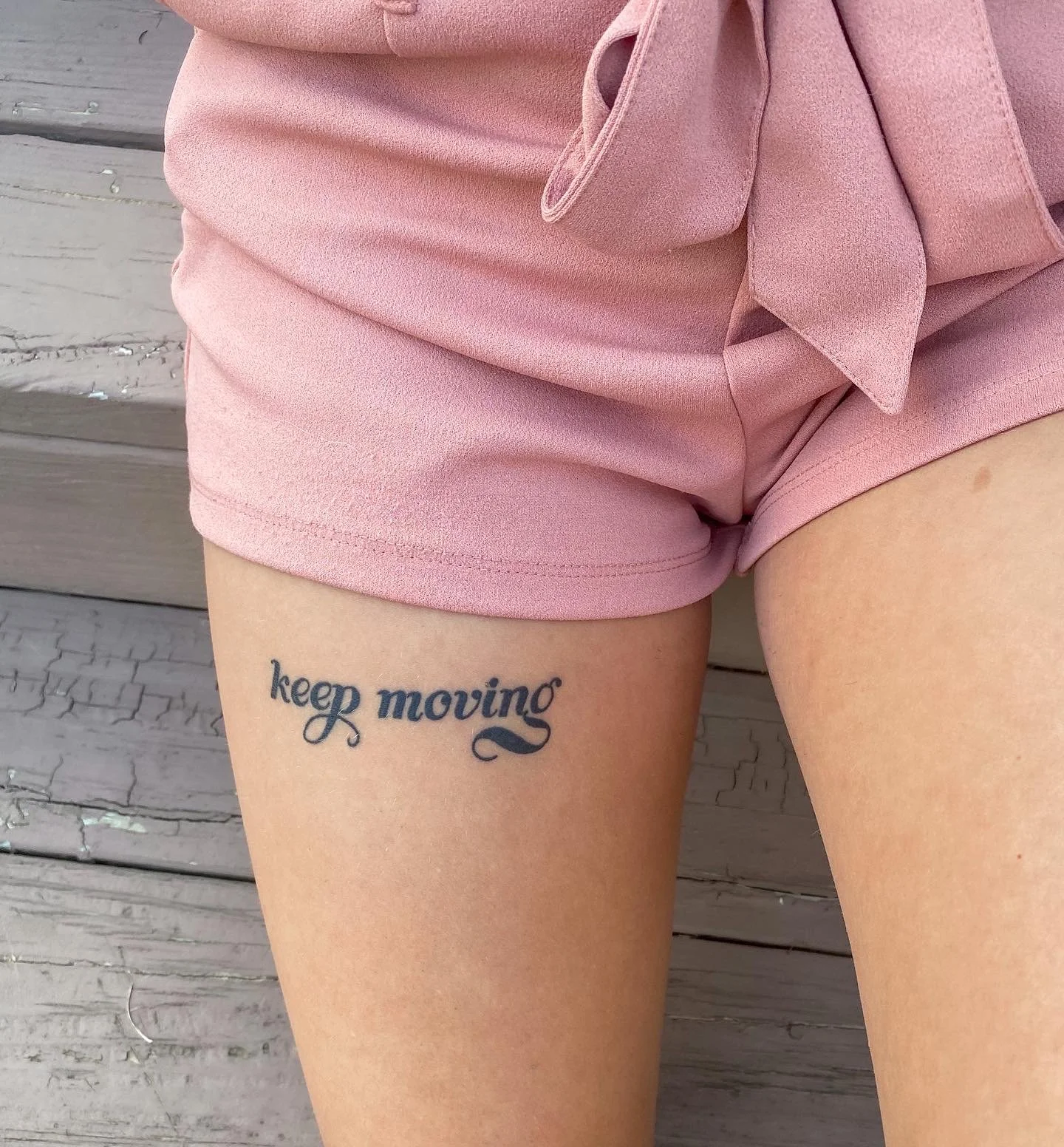
The first tattoo I got after getting diagnosed with Friedreich’s ataxia says “keep moving,” after a quote from Martin Luther King, Jr. that goes, “If you can't fly, run. If you can't run, walk. If you can't walk, crawl. But by all means, keep moving.” At the time, it was a reminder to me—a motivator, a mantra.
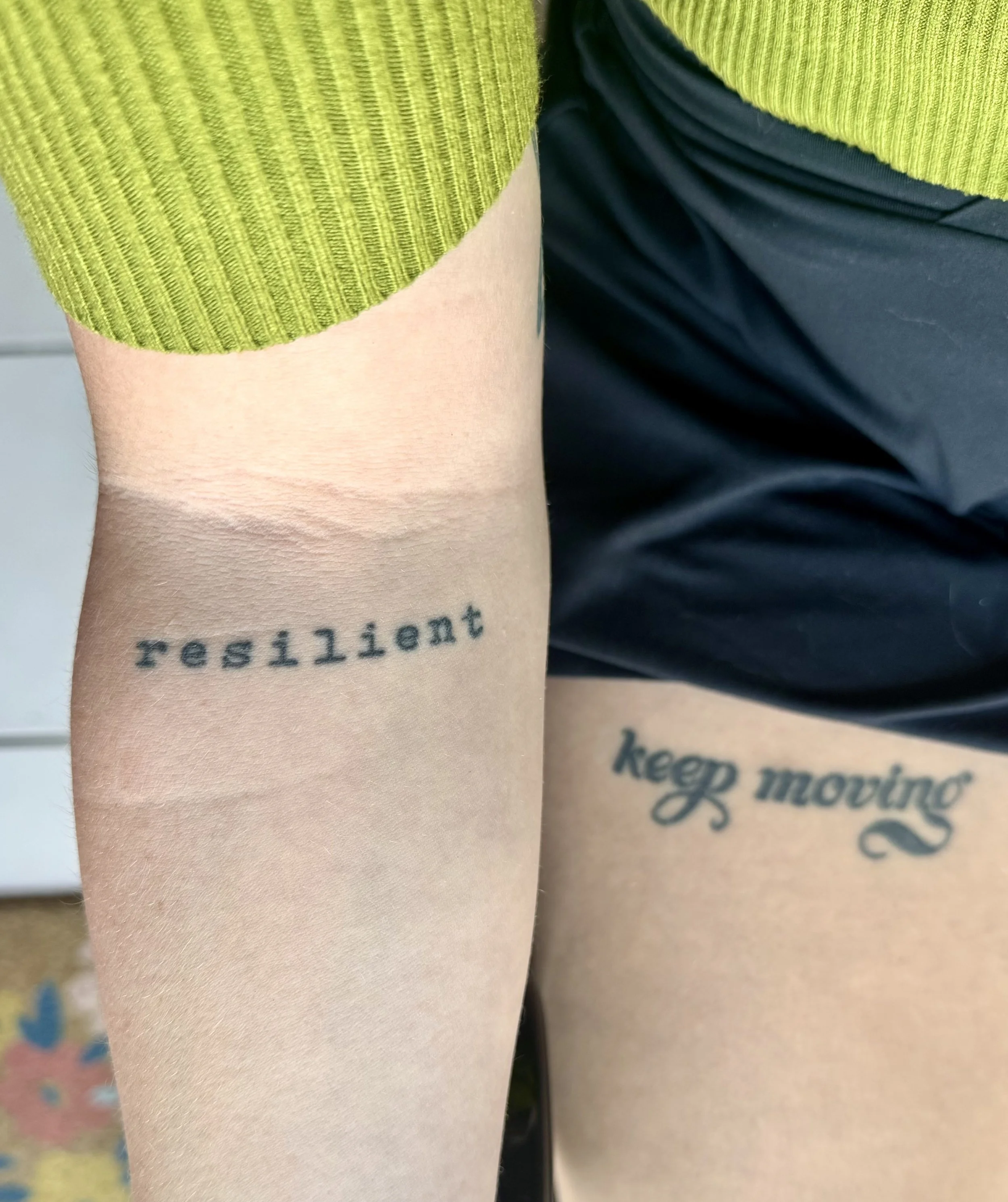
A few years later, I got another tattoo that says “resilient.” I got it because I had started to notice that I was resilient. While the first tattoo is a reminder to me of how I want to live, the second one is a reminder that, "I am this."
Whenever I look down and see these two tattoos next to each other, I feel an overwhelming sense of gratitude. It helps me to take a moment to be present, and most importantly, grateful, for this FA journey I’m on and how it has molded me into who I am today.
This season, I could tell you to write down five things you’re grateful for, or text five people you’re grateful to have in your life, or post all about it on social media, all of which are wonderful ways to practice gratitude. You should do those things if they resonate with you.
But the best way I’ve found to practice gratitude is to take a moment to be present. Put your phone down, take a few deep breaths, maybe go outside. And just think about it. Visualize those aspects or people in your life that make you feel lucky to be here. If you’re an FAer, think about your journey from pre-diagnosis to now.
The more you do this exercise, the more habitual it will become for you, and the more you’ll associate yourself with the feeling of gratitude. For me, it has become such a powerful tool, and I notice that I feel grateful much more often than just during Thanksgiving time.
How do you practice gratitude year-round?
Join me on PatientsLikeMe!
Living with Friedreich’s Ataxia can be isolating. But it does not have to be! See. blogs posts like this one, video resources, community discussions, and more on PatientsLikeMe.